
cropper
update
LV HVAC Pros
cropper
update
  • Homepage
  • update
  • update
  • update
  • update
  • update
  • update
  • update
  • All Posts
  • DIY Repairs
  • HVAC
  • HVAC Maintenance
6 Minutes Read

Top 5 HVAC Maintenance Tips Every Homeowner in the Lehigh Valley Should Know


Top 5 HVAC Maintenance Tips Every Homeowner in the Lehigh Valley Should Know

As a homeowner in the Lehigh Valley, ensuring the proper functioning and longevity of your HVAC system is essential. With the changing seasons and unpredictable weather, it's crucial to have a well-maintained heating, ventilation, and air conditioning system. To help you navigate the world of HVAC maintenance, we've compiled the top 5 tips that every homeowner in the Lehigh Valley should know. 

From changing air filters regularly to scheduling annual professional inspections, these simple yet effective practices will not only improve the performance of your HVAC system but also save you money on energy bills and prevent costly repairs down the line. So, whether you're a new homeowner or a seasoned one, buckle up and get ready to discover the key to a comfortable and efficient home environment all year round.


The Importance of HVAC Maintenance

Maintaining your HVAC system is not just about comfort; it's about ensuring the longevity and efficiency of your system. Regular maintenance can help prevent breakdowns, extend the lifespan of your equipment, and improve indoor air quality. By following these top 5 HVAC maintenance tips, you'll be able to maximize the performance of your system and save money on energy bills.
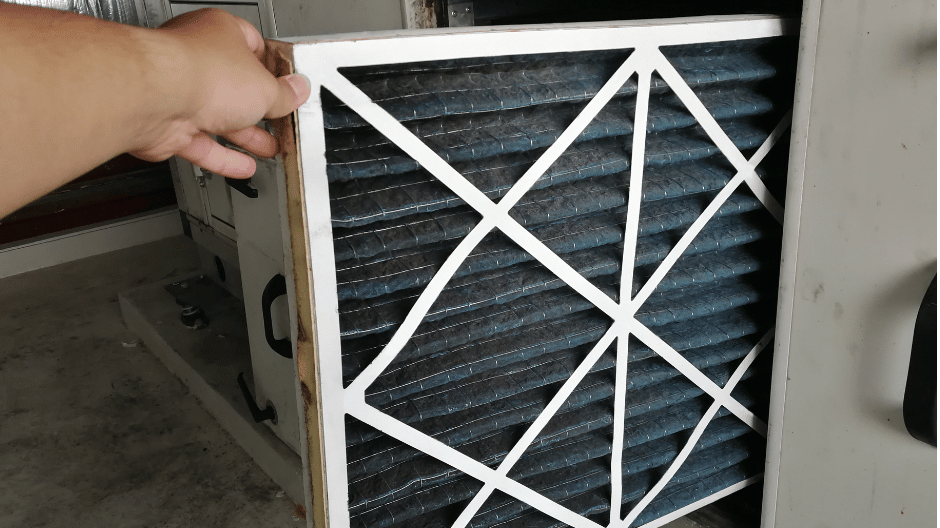

HVAC Maintenance Filter Change


Tip 1: Regularly Change Air Filters

One of the simplest yet most important tasks in HVAC maintenance is changing air filters regularly. Air filters are responsible for trapping dust, dirt, allergens, and other pollutants, preventing them from circulating in your home. Over time, these filters get clogged, reducing airflow and putting a strain on your HVAC system. By changing your air filters every 1-3 months, you'll ensure proper airflow, improve indoor air quality, and prevent unnecessary stress on your system.

It's important to choose the right type of air filter for your HVAC system. There are different types available, including fiberglass, pleated, and high-efficiency filters. Consider the MERV (Minimum Efficiency Reporting Value) rating when selecting a filter. Higher MERV ratings indicate better filtration, but they can also restrict airflow if your system isn't designed to handle them. Consult your HVAC technician to determine the best filter for your system.
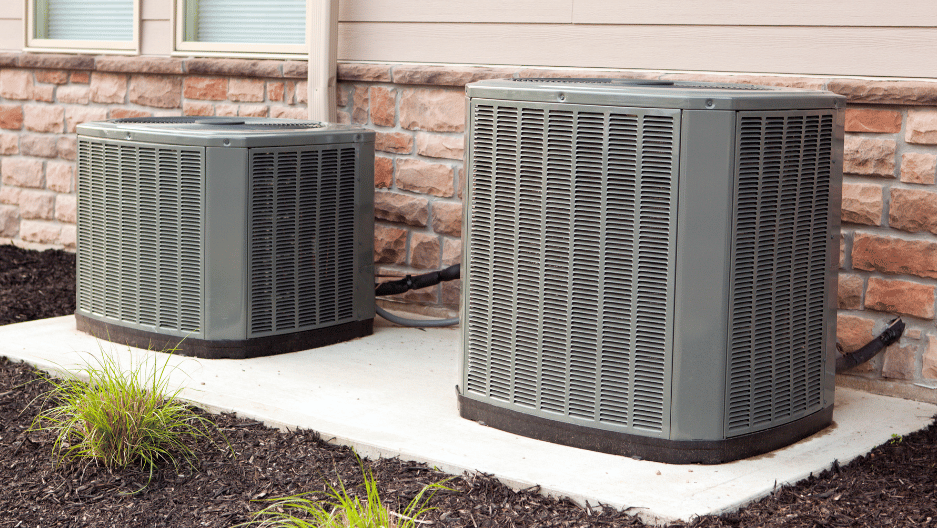

HVAC Maintenance Keep Units Clear


Tip 2: Keep Outdoor Units Clean and Clear of Debris

The outdoor unit of your HVAC system, also known as the condenser unit, plays a crucial role in cooling your home. It's important to keep it clean and clear of debris to ensure optimal performance. Over time, leaves, twigs, grass clippings, and other debris can accumulate around the unit, obstructing airflow and reducing efficiency. To prevent this, regularly inspect the area around the unit and remove any debris.

Cleaning the condenser coils is another important maintenance task. Over time, these coils can accumulate dirt and dust, reducing their ability to transfer heat. To clean the coils, turn off the power to the unit and use a garden hose to gently spray water on them. Avoid using a pressure washer, as it can damage the fins. If the coils are heavily soiled, consider hiring a professional HVAC technician to clean them properly.
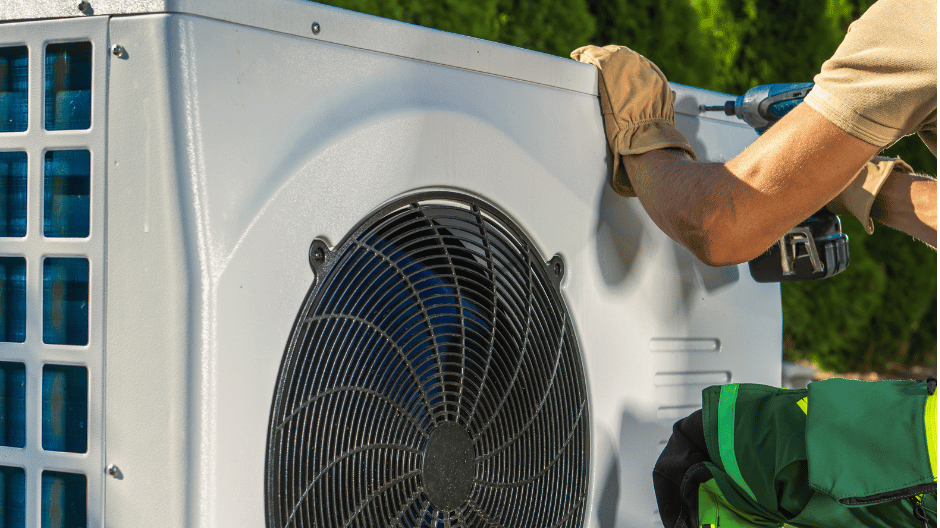

HVAC Maintenance Inspection


Tip 3: Schedule Professional HVAC Inspections and Tune-Ups

While regular maintenance tasks can be done by homeowners, it's essential to schedule professional HVAC inspections and tune-ups at least once a year. A qualified HVAC technician will thoroughly inspect your system, identify any potential issues, and perform necessary repairs or adjustments. They will also clean and lubricate components, check refrigerant levels, and ensure the system is running at peak efficiency.

During the inspection, the technician will also check for any leaks in the ductwork, which can lead to energy loss and decreased system performance. They will seal any leaks found and improve overall efficiency. Professional inspections and tune-ups not only prevent costly breakdowns but also help your system operate efficiently, saving you money on energy bills.
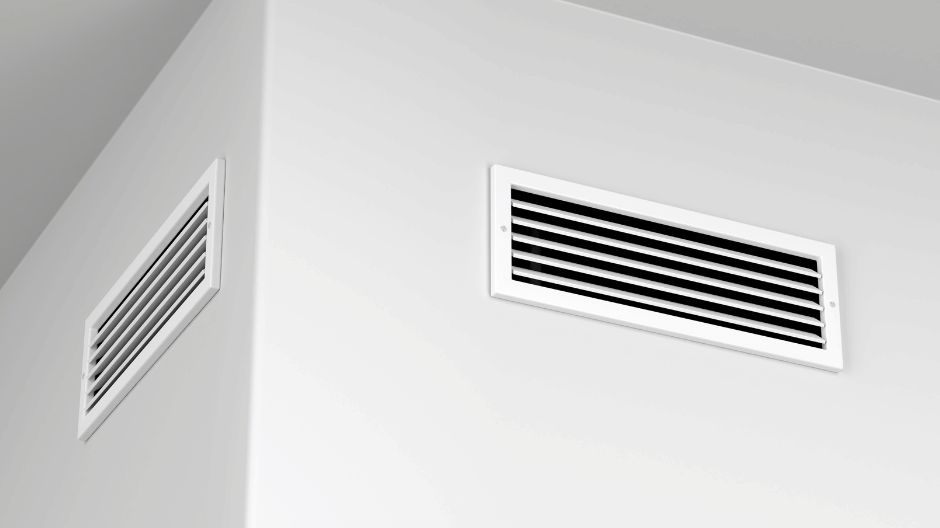

HVAC Maintenance Ventilation


Tip 4: Ensure Proper Ventilation in Your Home

Proper ventilation is crucial for maintaining a healthy and comfortable home environment. It helps remove stale air, control humidity levels, and prevent the buildup of pollutants and allergens. To ensure proper ventilation, make sure all vents and registers are unobstructed. Furniture, rugs, and other objects should not block airflow. Additionally, consider installing exhaust fans in bathrooms and kitchens to remove excess moisture and odors.

Another important aspect of ventilation is maintaining balanced air pressure in your home. When there is an imbalance in air pressure, it can lead to issues such as drafts, hot or cold spots, and even mold growth. To achieve balanced air pressure, consider installing a whole-house ventilation system or a mechanical ventilation system, which can help control air exchange and maintain a consistent indoor environment.
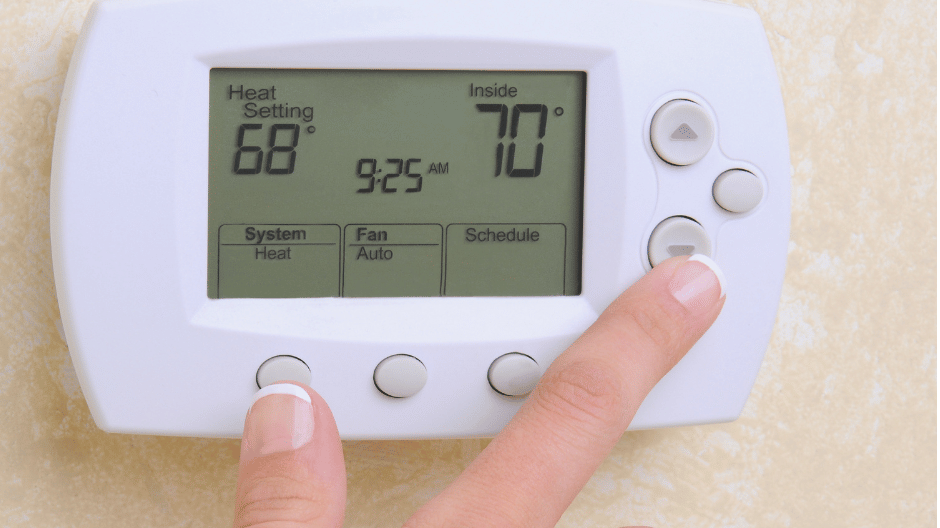

HVAC Maintenance Thermostat


Tip 5: Maintain Consistent Temperature Settings

Maintaining consistent temperature settings not only improves comfort but also helps your HVAC system operate efficiently. Constantly adjusting the thermostat can put unnecessary stress on the system and lead to increased energy consumption. Set your thermostat to a comfortable temperature and avoid frequent changes. If you're away from home for an extended period, consider adjusting the temperature by a few degrees to save energy.

Investing in a programmable or smart thermostat can further improve energy efficiency. These thermostats allow you to set different temperature schedules based on your daily routine. You can program them to lower the temperature when you're away and raise it before you return home. Some smart thermostats can even learn your preferences over time and adjust the temperature automatically.


Common HVAC Maintenance Mistakes to Avoid

While regular HVAC maintenance is crucial, there are some common mistakes that homeowners should avoid. One of the most common mistakes is neglecting regular maintenance tasks, such as changing air filters and cleaning outdoor units. Another mistake is attempting complex repairs without proper knowledge and experience, which can lead to further damage and costly repairs. It's important to know your limits and hire a professional HVAC technician for complex repairs or installations.

Ignoring unusual noises, strange odors, or performance issues is another mistake. These can be signs of underlying problems that need immediate attention. Ignoring them can lead to more extensive damage and expensive repairs. Finally, failing to schedule regular professional inspections and tune-ups is a mistake that can result in decreased system performance and higher energy bills.


The Benefits of Regular HVAC Maintenance

Regular HVAC maintenance offers numerous benefits for homeowners in the Lehigh Valley. Firstly, it improves system performance and efficiency, resulting in lower energy bills. A well-maintained HVAC system operates more smoothly, requires less energy to cool or heat your home, and experiences fewer breakdowns. This translates to significant savings in the long run.

Secondly, regular maintenance extends the lifespan of your HVAC equipment. By addressing minor issues before they escalate, you can prevent major breakdowns and costly repairs. A well-maintained system can last significantly longer than one that is neglected. This means you won't have to replace your HVAC system prematurely, saving you thousands of dollars.

Thirdly, regular HVAC maintenance improves indoor air quality. By changing air filters, cleaning coils, and ensuring proper ventilation, you can reduce the presence of dust, allergens, and pollutants in your home. This is especially important for individuals with allergies or respiratory conditions. Breathing clean air contributes to a healthier living environment.

Lastly, regular maintenance helps maintain the warranty on your HVAC equipment. Most manufacturers require proof of regular maintenance to honor the warranty. By keeping up with maintenance tasks and scheduling professional inspections, you'll ensure that your warranty remains valid and protects you against unexpected repairs.

HVAC Maintenance Checklist


HVAC Maintenance Checklist for Homeowners in the Lehigh Valley

To help you stay on top of HVAC maintenance, here's a checklist of tasks to perform regularly:

- Change air filters every 1-3 months.

- Keep outdoor units clean and clear of debris.

- Schedule annual professional HVAC inspections and tune-ups.

- Ensure all vents and registers are unobstructed.

- Install exhaust fans in bathrooms and kitchens.

- Maintain consistent temperature settings.

- Monitor for unusual noises, odors, or performance issues.

- Avoid attempting complex repairs without proper knowledge and experience.

- Schedule regular professional inspections and tune-ups.

By following this checklist and staying proactive with HVAC maintenance, you'll ensure the optimal performance and longevity of your HVAC system.


Conclusion

Regular maintenance is the key to a comfortable and efficient home environment in the Lehigh Valley. By following the top 5 HVAC maintenance tips discussed in this article, you'll be able to improve the performance, efficiency, and lifespan of your HVAC system. 

Remember to change air filters regularly, keep outdoor units clean, schedule professional inspections, ensure proper ventilation, and maintain consistent temperature settings. Avoid common maintenance mistakes and enjoy the benefits of regular HVAC maintenance, including lower energy bills, improved indoor air quality, and a longer-lasting system. Take control of your HVAC system today and enjoy a comfortable home all year round. And when you need assistance, contact your Lehigh Valley HVAC professionals.

HVAC Maintenance

79 Views

0 Comments

Write A Comment

*
*
Please complete the captcha to submit your comment.
Related Posts All Posts
09.17.2025

How Whitehall Businesses Cut Costs with Simple HVAC Maintenance Plans

Article-At-A-GlanceWhitehall businesses can reduce operational costs by up to 50% through proper HVAC maintenanceRegular preventative maintenance extends HVAC system lifespan by 5-7 years, avoiding premature replacement costsSimple DIY maintenance tasks can save businesses thousands in professional service calls annuallyBusinesses with maintenance plans avoid costly emergency repairs, which typically cost 3-5 times more than planned serviceLV HVAC Pros helps Whitehall businesses implement cost-effective HVAC maintenance strategies that provide immediate and long-term savingsYour HVAC system is silently draining your budget every day it operates below peak efficiency. For Whitehall business owners, this often-overlooked expense represents one of the largest opportunities for significant cost reduction across operations. The solution isn't complex or even particularly expensive – it's simply a matter of implementing the right maintenance approach.The Hidden HVAC Money Drain in Whitehall BusinessesHVAC systems account for nearly half of all commercial building expenses, yet many Whitehall business owners only address these systems when they fail. This reactive approach leads to energy waste, shortened equipment life, and costly emergency repairs that could be avoided with proper maintenance. When systems run inefficiently, they consume excess energy while providing subpar performance – essentially paying more for less comfort.The financial impact of neglected HVAC systems extends far beyond utility bills. These silent drains affect everything from employee productivity to customer comfort, and ultimately, your bottom line. Most businesses are shocked to discover they're losing thousands of dollars annually to problems that could be prevented with minimal investment in regular maintenance.According to LV HVAC Pros, a leader in commercial energy solutions, businesses implementing proper HVAC maintenance protocols consistently see operational cost reductions between 30-50%. These savings come from addressing small issues before they become expensive problems, optimizing system performance, and extending equipment lifespan significantly.The True Cost of HVAC NeglectAverage Annual Energy Waste: $2,100 per 1,000 sq ftTypical Emergency Repair: $1,500 - $3,000Premature System Replacement: $15,000 - $30,000Lost Productivity During Failures: $500 - $1,000 per hourHow Much Neglected Systems Actually Cost Your Bottom LineThe financial impact of poorly maintained HVAC systems is staggering but often goes untracked by business owners. When we examine the numbers closely, the typical Whitehall retail space or office loses $1.50-$2.50 per square foot annually through energy inefficiency alone. For a modest 2,000 square foot business, that's up to $5,000 every year simply disappearing into thin air – quite literally. Learn more about how preventative HVAC maintenance can save costs and prevent such losses.Beyond direct energy waste, systems running outside optimal parameters wear down faster, leading to parts failing prematurely. These component failures cascade into larger system breakdowns, each repair chipping away at your profit margins. The most significant hidden cost comes from shortened overall system lifespan – with poorly maintained units typically requiring replacement 5-7 years earlier than well-maintained ones, representing tens of thousands in avoidable capital expenditure. For more insights, read about how preventative HVAC maintenance saves millions in commercial downtime.Emergency Repair Expenses That Could Have Been AvoidedThe most painful HVAC expenses are always the unexpected ones. Emergency service calls in Whitehall typically start at $250 just for the technician to walk through your door, with rates climbing to $150+ per hour during evenings and weekends when systems most commonly fail. When you factor in expedited parts delivery and the premium charged for urgent repairs, businesses often pay 3-5 times more for emergency service than they would for the same repair identified during routine maintenance.Consider the local restaurant that recently faced a compressor failure during a Saturday evening dinner rush. The emergency weekend repair cost $3,800, plus the lost revenue from turning away customers during the three-hour repair. What makes this situation particularly frustrating is that the failing compressor showed warning signs for months – signs a qualified technician would have identified during a routine $150 maintenance visit.Why Your Current Approach to HVAC Management Is Costing YouMost Whitehall businesses fall into one of two costly approaches to HVAC management: complete neglect or inconsistent, reactive attention. Both strategies ultimately extract a heavy financial toll. The "if it's not broken, don't fix it" mentality ignores the fact that HVAC systems degrade incrementally, with each percentage point of efficiency loss translating directly to higher operational costs, while the "fix it when it breaks" approach guarantees you'll pay premium rates for emergency service while suffering downtime precisely when you can least afford it.The Price of Reactive vs. Preventive MaintenanceReactive maintenance – waiting until something breaks before addressing it – is the most expensive approach to HVAC management. When comparing long-term costs, preventive maintenance programs typically cost 25-40% less than reactive approaches over a 5-year period. This dramatic difference comes from three primary factors: preventing small issues from escalating into major failures, scheduling work during normal business hours at standard rates, and extending the overall useful life of your equipment through proper care. The math becomes clear when tracking expenses over time – businesses investing $1,500 annually in preventive maintenance avoid an average of $5,000-$8,000 in emergency repairs and premature replacement costs each year.Energy Efficiency Losses From Poorly Maintained SystemsEven minor maintenance issues create significant energy waste. Dirty filters alone can increase energy consumption by 15%, while neglected coils, improper refrigerant levels, and poorly calibrated controls compound these losses. The U.S. Department of Energy reports that commercial HVAC systems lose approximately 5% efficiency each year without proper maintenance – losses that silently inflate utility bills month after month.These efficiency losses accumulate insidiously. A system operating at just 80% efficiency effectively increases your energy costs by 25% compared to properly maintained equipment. For the average Whitehall business, this translates to thousands of dollars annually that could be recaptured through simple maintenance procedures. The most frustrating aspect is that this waste often goes unnoticed – businesses simply accept gradually increasing utility bills as normal when they actually represent preventable losses.Shortened Equipment Lifespan and Premature Replacement CostsCommercial HVAC systems represent a significant capital investment, with replacement costs easily reaching $15,000-$50,000 depending on your facility size. Well-maintained systems typically last 15-20 years, while neglected equipment often fails permanently within 7-10 years. This premature replacement effectively doubles your lifetime equipment costs and creates unnecessary capital expenditures that could be directed toward business growth instead.The components most affected by poor maintenance include compressors, motors, and heat exchangers – all expensive core parts that often determine whether repair or replacement makes financial sense. When these components fail prematurely due to preventable maintenance issues, business owners find themselves forced into large unplanned expenditures that could have been avoided with minimal preventive investment.Staff Productivity Impact During System FailuresBeyond the direct repair costs, system failures create substantial indirect expenses through lost productivity and business disruption. Studies show that employee productivity drops 4-10% when working in environments outside optimal temperature ranges. During complete system failures, productivity losses often reach 25-50% or require temporary facility closure.For Whitehall retailers, restaurants, and service businesses, HVAC failures directly impact customer experience and revenue. The local accounting firm that lost three business days during tax season due to an HVAC failure estimated their total cost, including lost revenue and emergency repairs, exceeded $27,000. This cascading financial impact makes preventive maintenance an essential business continuity strategy, not just a maintenance decision.Essential Components of Cost-Effective HVAC Maintenance PlansCreating an effective maintenance strategy doesn't require complex systems or enormous investments. The most successful Whitehall businesses implement straightforward maintenance plans that focus on regular attention to key system components. By addressing these critical elements consistently, you'll capture the majority of potential savings while minimizing your maintenance investment.1. Regular Filter Replacement ScheduleAir filters represent the simplest yet most impactful maintenance task for any HVAC system. Dirty filters restrict airflow, forcing systems to work harder while delivering less heating or cooling capacity. This inefficiency directly increases energy consumption while accelerating wear on mechanical components. For most Whitehall businesses, filters should be checked monthly and replaced quarterly at minimum, though environments with higher dust, cooking oils, or manufacturing particulates may require monthly replacement.The cost difference is striking – a $20 filter replaced on schedule prevents hundreds in energy waste and thousands in potential compressor damage. Many businesses successfully implement filter maintenance as an internal task, creating simple calendar reminders and assigning responsibility to facilities staff. This approach captures significant savings with minimal investment and no specialized expertise.2. Seasonal System InspectionsProfessional inspections before peak heating and cooling seasons provide tremendous value in preventing costly failures when systems are under maximum stress. These bi-annual visits allow technicians to identify developing issues before they cause breakdowns during critical business periods. Spring inspections should focus on cooling system components before summer demand, while fall visits prioritize heating system readiness before winter.The typical professional inspection costs $150-$300 in the Whitehall area but delivers returns many times that amount through efficiency improvements and avoided emergency repairs. These inspections also provide documentation that helps extend equipment warranty coverage and may be required for insurance purposes in some commercial buildings.3. Coil Cleaning and Airflow OptimizationEvaporator and condenser coils become collection points for dust and debris, creating insulating layers that prevent efficient heat transfer. Dirty coils force systems to run longer cycles while consuming more energy, ultimately increasing utility costs by 20-30% while reducing cooling capacity. Annual professional cleaning of these coils restores system efficiency and prevents the strain that leads to premature component failure.Beyond the coils themselves, comprehensive airflow evaluation ensures your system delivers conditioned air where it's needed most. Many Whitehall businesses discover significant imbalances in their distribution systems, with some areas receiving too much airflow while others remain uncomfortable. Correcting these imbalances improves comfort while reducing the system runtime needed to maintain desired temperatures.4. Thermostat Programming and CalibrationThermostats serve as the command centers for your entire HVAC system, yet many businesses neglect this critical component. Improperly calibrated thermostats can increase energy usage by 5-10% by triggering unnecessary system operation. Modern programmable and smart thermostats offer substantial savings through automated scheduling, occupancy detection, and remote management capabilities that prevent conditioning empty spaces.The investment in upgrading to programmable thermostats typically pays for itself within 6-12 months through reduced energy consumption. For Whitehall businesses with consistent occupancy patterns, simply programming appropriate setbacks during unoccupied hours can reduce HVAC costs by 15-20% with zero impact on comfort during business hours. Integrity Energy helps businesses select and program the most appropriate thermostat technology for their specific operational patterns, capturing immediate savings with minimal disruption.5. Refrigerant Level ChecksProper refrigerant charge is essential for system efficiency and component longevity. Systems operating with incorrect refrigerant levels consume more energy while delivering less cooling capacity and placing excess strain on compressors. Annual professional inspections should include refrigerant level verification and leak checks to maintain optimal system performance.Beyond efficiency concerns, refrigerant leaks create environmental compliance issues and may subject businesses to regulatory penalties. Professional technicians can identify and repair small leaks before they require complete system evacuation and recharge – a procedure that typically costs 3-5 times more than preventive maintenance.DIY vs. Professional Maintenance: What Whitehall Business Owners Can HandleCreating a cost-effective maintenance strategy requires balancing professional expertise with internal capabilities. Many routine HVAC maintenance tasks can be handled by non-technical staff, allowing you to reserve professional services for specialized work requiring certified technicians. This balanced approach maximizes savings while ensuring critical maintenance isn't neglected.The most successful maintenance programs clearly define which tasks should be handled internally versus professionally. This clarity prevents both overlapping efforts and dangerous gaps in system care. By identifying the right mix for your specific business situation, you'll maximize cost savings while maintaining system reliability.Simple Weekly Checks Anyone Can PerformWeekly visual inspections represent your first line of defense against developing problems and require no technical expertise. Train staff to listen for unusual noises, check for water leaks around indoor units, and verify that outdoor units remain clear of debris. These basic observations can identify issues early when corrections are simplest and least expensive. Many Whitehall businesses successfully implement these checks as part of opening or closing procedures, adding just minutes to existing routines while providing valuable early warning of developing problems.Monthly Maintenance Tasks For Your TeamMonthly maintenance builds upon weekly visual checks with slightly more involved tasks that still require no specialized training. Filter inspection and replacement is the most important monthly task, as clogged filters dramatically reduce efficiency while accelerating wear on expensive components. Other valuable monthly tasks include clearing debris from outdoor units, checking condensate drain lines for blockages, and inspecting ductwork connections for obvious leaks or damage.Creating a simple checklist for these monthly procedures ensures consistency even with staff turnover. Many Whitehall businesses find success by assigning these responsibilities to specific individuals and incorporating them into monthly performance expectations. The investment of 30-45 minutes monthly saves hundreds in energy costs and prevents thousands in potential repair expenses.When to Call the ProfessionalsWhile many maintenance tasks can be handled internally, certain procedures require certified professionals with specialized equipment and training. Any work involving electrical components, refrigerant handling, or major mechanical adjustments should be left to qualified technicians. Additionally, comprehensive system evaluation requiring specialized diagnostic tools should be performed professionally during seasonal maintenance visits.Annual professional maintenance typically costs $300-$600 for comprehensive service of a moderate-sized commercial system in Whitehall. This investment delivers returns many times higher through improved efficiency, extended equipment life, and avoided emergency repairs. Professional service also provides documentation that may be required for warranty claims and insurance purposes, offering both immediate and long-term financial protection.How to Select the Right HVAC Maintenance Provider in WhitehallChoosing the right maintenance partner significantly impacts both your costs and outcomes. The best providers deliver consistent, thorough service while proactively identifying potential issues before they cause failures. When evaluating potential partners, look beyond basic pricing to consider their responsiveness, technical expertise, and commitment to preventive approaches rather than reactive repairs.The most valuable maintenance relationships evolve into true partnerships where your provider understands your business operations and tailors maintenance schedules around your critical periods. A provider who knows your facility can identify system weaknesses and recommend targeted improvements that deliver maximum savings with minimal investment.Local Service Provider ComparisonWhitehall businesses benefit from several qualified HVAC maintenance providers, each offering distinct advantages. National chains typically provide consistent documentation and standardized service protocols, while local providers often deliver more personalized attention and faster response times. The ideal provider combines professional competence with genuine interest in your specific business needs and constraints.When comparing providers, request detailed information about their preventive maintenance protocols rather than just pricing. Quality providers will outline specific tasks performed during each visit and explain how their approach prevents common system failures. This transparency allows you to evaluate value rather than simply comparing hourly rates that may not reflect the thoroughness of service provided.Questions to Ask Before Signing a Maintenance ContractWhat specific tasks are included in each maintenance visit?How do you document system condition and recommendations?What priority do maintenance clients receive for emergency service?Are parts discounted for contract customers?What credentials do your technicians hold?How will you help me track energy savings resulting from maintenance?Can maintenance schedules be adjusted around my business's peak periods?What system performance guarantees are provided?Red Flags to Watch ForSeveral warning signs indicate providers who may not deliver optimal value. Be cautious of companies offering significantly lower prices than competitors, as this often indicates abbreviated service that misses critical components. Similarly, providers unable to clearly explain their maintenance protocols or who focus conversations exclusively on repairs rather than prevention may not deliver the proactive approach that generates maximum savings.Other concerning signs include reluctance to provide references, lack of proper licensing and insurance, and limited availability of emergency service outside standard business hours. The most reliable indicator of quality is often reputation – ask other Whitehall business owners about their experiences before making commitments.Actual Cost Savings: Whitehall Success StoriesThe financial impact of proper HVAC maintenance becomes most evident through examining real-world results from local businesses. These case studies demonstrate how specific maintenance strategies translate into measurable savings across different business types and system configurations.Main Street Retail Shop Cuts Utility Bills by 28%A local clothing retailer implemented a comprehensive maintenance program after experiencing steadily increasing energy costs despite stable occupancy and operations. After just six months of regular maintenance including coil cleaning, airflow balancing, and thermostat optimization, they documented a 28% reduction in utility costs compared to the previous year. The annual savings of $3,200 represented over five times their maintenance investment while also improving customer comfort during browsing.Local Restaurant Avoids $8,500 Emergency RepairDuring a routine fall maintenance visit, technicians identified developing compressor issues in a restaurant's primary cooling system. By addressing the underlying cause – a refrigerant leak and airflow restriction – before complete failure occurred, the business avoided an $8,500 emergency replacement that would have forced closure during a busy holiday weekend. The preventive repair cost just $1,200 and was scheduled during normal Monday closure, preventing any business disruption.Office Complex Extends System Life by 7 YearsA professional office building implemented comprehensive maintenance after being quoted $42,000 for complete system replacement due to declining performance and frequent breakdowns. Through a systematic approach addressing deferred maintenance issues, the existing system was restored to proper operation and maintained for an additional seven years before eventual replacement became necessary. This extended lifespan allowed for planned budgeting while avoiding emergency capital expenditure during a financial downturn.Implementing Your HVAC Maintenance Plan: Next StepsCapturing the significant savings available through HVAC maintenance requires moving from concept to implementation. The most successful approaches start with understanding your current system condition and developing a structured plan addressing both immediate needs and ongoing maintenance requirements.Creating Your Customized Maintenance CalendarStart by documenting your specific equipment details including make, model, age, and known service history. This baseline information helps identify appropriate maintenance intervals and priority areas for immediate attention. Most Whitehall businesses benefit from creating a 12-month maintenance calendar that schedules both internal tasks and professional service visits to ensure consistent system care.The ideal calendar aligns maintenance timing with your business operations, scheduling more intensive procedures during low-activity periods while ensuring systems receive thorough attention before peak demand seasons. This strategic timing minimizes business disruption while maximizing system readiness when performance matters most. Budgeting for Preventive MaintenanceEffective budgeting for HVAC maintenance requires understanding both direct service costs and expected returns on this investment. For most Whitehall businesses, allocating 1-3% of your overall energy costs toward preventive maintenance delivers optimal returns through efficiency improvements and avoided emergency repairs.When creating maintenance budgets, consider both routine service costs and allowances for addressing issues discovered during inspections. The most cost-effective approach typically involves immediate correction of efficiency-impacting issues rather than deferring repairs that will continue to drain resources through increased energy consumption.Filter replacement: $80-$320 annually depending on system sizeProfessional inspections: $300-$600 annuallyCoil cleaning: $200-$400 annuallyMinor repairs allowance: $500-$1,000 annuallyDocumentation and monitoring: $100-$300 annuallyLV HVAC Pros helps Whitehall businesses develop realistic maintenance budgets based on specific system characteristics and operational requirements, ensuring appropriate resource allocation without unnecessary expenditure.Training Staff on Basic System CareEmpowering your team with basic HVAC knowledge dramatically improves maintenance outcomes while reducing professional service costs. Simple training sessions covering filter replacement, visual inspections, and problem recognition create valuable internal capabilities that complement professional maintenance. Many service providers, including Integrity Energy, offer staff training as part of comprehensive maintenance agreements.The most effective training programs include both classroom instruction and hands-on demonstration with your specific equipment. This practical approach ensures staff members understand not just procedures but also the reasoning behind maintenance tasks and the potential consequences of neglect. Well-trained employees become your first line of defense against developing problems, often identifying issues before they impact business operations.Maximize Your Savings With These Additional HVAC Efficiency TipsBeyond standard maintenance procedures, several supplemental strategies can further reduce HVAC costs for Whitehall businesses. These approaches address operational patterns and system configuration to capture additional savings beyond those achieved through basic maintenance.Many of these strategies require minimal investment yet deliver substantial returns through reduced energy consumption and extended equipment life. By implementing these complementary approaches alongside consistent maintenance, businesses often achieve total HVAC cost reductions exceeding 40% compared to pre-optimization baseline expenses.Smart Thermostat Benefits for Commercial SpacesModern smart thermostats provide remarkable control capabilities that dramatically reduce wasted conditioning in commercial environments. Features like occupancy detection, remote management, and learning algorithms adjust operation based on actual building usage rather than rigid schedules. For Whitehall businesses with variable occupancy patterns, these systems typically reduce heating and cooling costs by 15-25% while improving comfort during occupied periods.Zoning Solutions for Multi-Room BusinessesZoning systems divide buildings into independently controlled areas, allowing businesses to condition only occupied spaces while reducing output to vacant sections. This targeted approach is particularly valuable for businesses with distinct usage patterns across different areas, such as restaurants with separate dining and kitchen spaces or retail operations with stockrooms and sales floors. Properly implemented zoning solutions typically reduce overall HVAC energy consumption by 20-30% while improving comfort in actively used areas.Insulation Improvements That Pay For ThemselvesMany Whitehall commercial buildings suffer from inadequate insulation that forces HVAC systems to compensate for excessive heat transfer through the building envelope. Strategic insulation improvements targeting the most problematic areas often deliver payback periods under 24 months through reduced heating and cooling requirements. Particular attention should be paid to attic spaces, exterior wall cavities, and areas where plumbing or electrical services penetrate the building envelope, as these commonly represent major sources of energy waste.Frequently Asked QuestionsWhitehall business owners consistently raise several common questions when implementing HVAC maintenance programs. These practical considerations help balance immediate budgetary constraints with long-term operational savings opportunities.How much can a small business in Whitehall typically save with a maintenance plan?Small businesses implementing comprehensive maintenance programs typically reduce total HVAC-related expenses by 25-40% within the first year. This includes both direct energy savings averaging 15-25% and avoided emergency repair costs. For a 2,000 square foot retail or office space, these savings generally translate to $2,000-$3,500 annually depending on system age, previous maintenance history, and operational patterns.Is it better to sign an annual contract or pay per service visit?For most Whitehall businesses, annual maintenance contracts deliver superior value compared to per-visit service. Contract customers typically receive priority scheduling, discounted labor rates, and preferential emergency response – benefits that far outweigh the modest premium compared to individual service calls. Contracts also ensure maintenance occurs on schedule rather than being deferred during busy periods when immediate operating concerns may overshadow preventive maintenance.The ideal approach for many businesses combines a basic annual contract covering essential services with the flexibility to add specific procedures as needed based on system condition and performance. This hybrid model ensures critical maintenance occurs consistently while allowing customization based on evolving system requirements. For more insights, explore how preventative HVAC maintenance can save millions in commercial downtime.What's the minimum maintenance schedule needed for cost-effectiveness?At absolute minimum, commercial HVAC systems should receive professional inspection and service twice annually – before cooling season (spring) and before heating season (fall). These seasonal visits ensure system readiness during peak demand periods while identifying developing issues before they cause failures.Between professional visits, monthly filter inspection and quarterly replacement represent the most critical internal maintenance tasks. This minimal approach captures approximately 60-70% of potential maintenance savings while requiring modest time and financial investment.Businesses seeking optimal returns typically supplement this basic schedule with additional focused maintenance addressing system-specific needs. For older equipment or systems serving critical operations, quarterly professional inspection often proves most cost-effective by preventing the expensive failures that frequently affect aging systems. Learn more about how preventative HVAC maintenance can save millions in commercial downtime.Remember that maintenance requirements increase with system age – equipment approaching the end of its expected service life generally requires more frequent attention to maintain acceptable efficiency and reliability.Recommended Minimum Maintenance ScheduleWeekly: Visual inspection of system operation and outdoor unit clearanceMonthly: Filter inspection and cleaning/replacement as neededQuarterly: Condensate drain cleaning and thermostat verificationBi-Annually (Spring/Fall): Professional comprehensive system serviceAnnually: Coil cleaning, duct inspection, refrigerant checkCan I negotiate maintenance plan prices with local providers?Most Whitehall HVAC providers offer flexibility in maintenance contract terms and pricing, particularly for multi-year commitments or businesses with multiple systems. When negotiating agreements, focus on service scope and response guarantees rather than simply reducing costs. The most valuable negotiations often involve adding services rather than reducing prices – for example, including filter replacement or providing staff training within the standard contract rather than as additional charges.Multi-year contracts typically offer the best value, with discounts of 10-15% compared to annual agreements. These extended commitments also protect businesses from service rate increases while establishing deeper provider relationships that translate into more personalized attention and recommendations.How do I know if my current HVAC system is worth maintaining or needs replacement?This critical decision depends on several factors including system age, efficiency, reliability history, and repair costs. As a general guideline, when repair costs approach 30% of replacement value or when energy costs exceed 1.5 times those expected from a new system, replacement becomes financially advantageous. Most commercial systems reach this threshold between years 12-15, though well-maintained equipment can remain cost-effective for 20+ years.Request a comprehensive evaluation from a qualified provider who can analyze both current performance and expected future maintenance requirements. The most reliable assessments include energy usage analysis comparing your current system's consumption with projected operating costs for modern replacement options. This data-driven approach removes emotion from the decision process, allowing clear financial analysis of maintenance versus replacement options.When replacement becomes necessary, consider phased implementation that addresses the most critical or inefficient components first while extending the service life of salvageable system elements. This strategic approach minimizes capital requirements while maximizing operational improvements, often reducing overall replacement costs by 15-30% compared to complete system replacement.By implementing a comprehensive maintenance strategy tailored to your specific business needs, you'll capture significant operational savings while ensuring reliable comfort for both customers and employees. The modest investment in preventive care delivers returns far exceeding the costs, making HVAC maintenance one of the most financially sound decisions Whitehall business owners can make.LV HVAC Pros helps Whitehall businesses develop realistic maintenance budgets based on specific system characteristics and operational requirements, ensuring appropriate resource allocation without unnecessary expenditure. specializes in helping Whitehall businesses implement cost-effective HVAC maintenance strategies that maximize savings while minimizing disruption to your operations.Whitehall businesses are increasingly turning to simple HVAC maintenance plans to cut costs and improve efficiency. Regular maintenance not only extends the lifespan of the HVAC systems but also ensures they operate at peak performance, reducing energy consumption and lowering utility bills. For businesses looking to maximize their energy savings, implementing routine maintenance is key. Learn more about maximizing energy savings with routine HVAC maintenance.

09.18.2025

Ignoring HVAC Tune-Ups? Why Hellertown Homeowners End Up Paying More

Key TakeawaysRegular HVAC tune-ups in Hellertown typically cost $80-150, while emergency repairs can run $500-1500 or morePreventative maintenance can extend your HVAC system's lifespan by 5-10 years, saving thousands in premature replacement costsMany HVAC warranties become void if you can't prove regular professional maintenanceHellertown's seasonal temperature fluctuations make bi-annual tune-ups (spring and fall) essential for system longevityMaintenance plans from reputable Hellertown HVAC companies can reduce tune-up costs by 15-20% and provide priority emergency serviceThat grinding noise from your HVAC system isn't just annoying—it's expensive. For Hellertown homeowners, postponing regular HVAC tune-ups might seem like a smart way to save a few dollars, but this approach consistently backfires. The math simply doesn't add up in favor of procrastination.Most Hellertown residents don't realize they're gambling with one of their home's most valuable systems until it's too late. Your heating and cooling equipment represents a significant investment, typically $5,000-15,000 depending on your home size and system type. Protecting this investment through regular maintenance isn't just sensible—it's essential for your comfort, health, and wallet. Ventec HVAC explains that regular tune-ups catch minor issues before they develop into major problems, helping homeowners avoid the stress of system failures during extreme weather.Let's examine why skipping maintenance visits costs substantially more in the long run, and what Hellertown homeowners need to know about proper HVAC care.The Hidden Costs of Skipping HVAC MaintenanceWhen your HVAC system operates without regular professional attention, it silently drains your bank account in multiple ways. These financial leaks might go unnoticed initially, but they accumulate dramatically over time. The true cost of neglect extends far beyond the immediate discomfort of a system breakdown.Higher Monthly Energy BillsA neglected HVAC system works harder to achieve the same results. Dirty coils, clogged filters, and improperly lubricated parts create resistance that forces your system to consume more electricity or gas. This inefficiency typically increases energy consumption by 15-25%, silently inflating your utility bills month after month. In Hellertown's climate, where systems run extensively throughout hot summers and cold winters, these increased costs compound quickly.Shorter System LifespanRegular maintenance can extend your HVAC system's lifespan by 5-10 years. Modern systems should last 15-20 years when properly maintained, but neglected equipment often fails at just 7-10 years. This premature replacement penalty costs Hellertown homeowners thousands in unnecessary expenses. The strain placed on components that haven't been cleaned, lubricated, or adjusted properly accelerates wear and tear dramatically.Expensive Emergency RepairsEmergency HVAC repairs in Hellertown typically cost 30-50% more than scheduled service visits. When systems fail during extreme weather (precisely when they're working hardest), you'll also face limited technician availability, potential overnight fees, and rush delivery charges for parts. A single major repair can cost three to ten times more than years of regular maintenance would have. Even worse, these failures typically happen during the seasons when you need your system most. Warning Signs Your HVAC System Needs AttentionYour HVAC system communicates problems before complete failure, but many homeowners miss these critical signals. Recognizing early warning signs can help you address issues before they escalate into costly emergencies. Pay attention to these indicators that your system needs professional evaluation.Strange odors, especially burning, musty, or electrical smellsReduced airflow from vents or registersSystem cycling on and off more frequently than normalUnexplained moisture or leaks around indoor or outdoor unitsUnusual temperature fluctuations throughout your homeUnusual Noises From Your SystemNew or changing sounds from your HVAC equipment should never be ignored. Grinding, scraping, or squealing noises often indicate mechanical problems with motors, bearings, or belts. Banging, rattling, or vibration can signal loose components. Clicking sounds, especially when the system tries to start, may indicate electrical control issues. Professional technicians can identify the exact cause of these sounds during routine tune-ups before they lead to system failures.Inconsistent Temperatures Throughout Your HomeIf some rooms feel like a sauna while others remind you of winter in Hellertown, your HVAC system is struggling. These temperature inconsistencies often result from restricted airflow, duct issues, or failing components that would be identified during routine maintenance. Left unaddressed, the problem typically worsens, forcing your system to run longer cycles that increase energy consumption and accelerate wear on critical components.Spike in Energy BillsWhen your utility bills suddenly increase without corresponding weather changes or rate hikes, your HVAC system is likely operating inefficiently. A properly maintained system should maintain relatively consistent energy usage patterns year over year (accounting for weather variations). A sudden 15-30% increase often indicates developing mechanical issues that regular tune-ups would catch and correct before they impact your budget.Poor Air QualityExcessive dust, unusual humidity levels, or family members experiencing more frequent respiratory issues can all signal HVAC problems. During tune-ups, technicians clean components that directly impact your home's air quality, including evaporator coils, condensate drains, and blower assemblies. These components, when neglected, become breeding grounds for mold, bacteria, and allergens that circulate throughout your home. For more information on the benefits of regular maintenance, you can explore HVAC tune-up benefits.What Happens During a Professional HVAC Tune-UpMany Hellertown homeowners wonder what exactly they're paying for during a tune-up. Understanding the comprehensive process helps explain why this maintenance is so valuable. A professional tune-up isn't just a quick filter change—it's a thorough examination and optimization of your entire system.During a proper HVAC tune-up, trained technicians perform a methodical inspection and service routine that typically takes 60-90 minutes per system. This detailed process ensures every component functions at peak efficiency while identifying potential problems before they cause system failures or inefficiency.Inspection of Critical ComponentsTechnicians examine electrical connections, check refrigerant levels, inspect heat exchangers for cracks or corrosion, and test safety controls. They'll verify proper airflow through the system, inspect ductwork connections, and check for signs of wear on all mechanical components. This comprehensive inspection identifies minor issues before they develop into major failures, saving homeowners substantial repair costs.Cleaning of Key PartsProfessional cleaning of condenser and evaporator coils removes efficiency-robbing buildup that forces systems to work harder. Technicians also clean blower assemblies, combustion chambers, and drain lines—components that directly impact system efficiency and air quality. This cleaning process alone can improve efficiency by 5-15%, quickly offsetting the cost of the tune-up through lower utility bills.Lubrication of Moving PartsProper lubrication reduces friction in motors, bearings, and other moving components, reducing energy consumption and extending part life. Over time, lubricants break down or become contaminated, creating resistance that increases wear and electricity consumption. Regular application of appropriate lubricants prevents this premature component failure.Calibration of Thermostat and ControlsTechnicians verify thermostat accuracy and proper system cycling, ensuring your HVAC equipment maintains consistent comfort while minimizing runtime. Even small calibration adjustments can significantly impact energy consumption and system wear. Many Hellertown homeowners are surprised to learn their thermostats have been inaccurate by 3-5 degrees, causing their systems to run much more than necessary.Safety ChecksFor gas-fired systems, technicians perform critical safety inspections that identify dangerous conditions like carbon monoxide leaks, gas line issues, or combustion problems. These safety checks protect your family from hazards that standard carbon monoxide detectors might miss until dangerous levels accumulate. The peace of mind from knowing your system operates safely is perhaps the most valuable aspect of regular maintenance.5 Real-Life Examples of Hellertown Homeowners Who Paid the PriceThe consequences of skipping HVAC maintenance aren't theoretical—they're experienced regularly by Hellertown residents. These real situations (with names changed) illustrate how maintenance neglect creates financial hardship and discomfort for local homeowners.1. The Family Who Faced a Mid-Summer BreakdownThe Johnsons hadn't scheduled a tune-up in three years when their air conditioner failed during July's worst heat wave. The diagnosis: a compressor failure caused by dirty coils and low refrigerant—issues a tune-up would have identified and prevented. The repair cost: $2,100, plus three uncomfortable days waiting for parts during 95-degree weather. The Johnsons now schedule bi-annual maintenance without fail, understanding that the $260 annual investment prevents thousands in emergency repairs.2. The Homeowner With Skyrocketing Energy BillsMichael noticed his summer electric bills had increased by $120 monthly compared to the previous year, despite similar weather patterns. After finally scheduling a tune-up, technicians discovered his air conditioner's coils were severely clogged with debris, forcing the system to run almost continuously. The maintenance visit cost $129, but immediately reduced his monthly energy bills by approximately $95, paying for itself in just six weeks.Additionally, the technician found early signs of a failing capacitor that would have soon caused a complete system shutdown. Replacing it during the scheduled maintenance cost $85, compared to the $350 emergency service call that would have been required when the system eventually failed.3. The Couple Who Voided Their WarrantyThe Millers invested $8,500 in a new high-efficiency system but skipped annual maintenance to save money. When their heat exchanger failed after just four years, they discovered their warranty claim was denied because they couldn't provide maintenance records required by the warranty terms. The $1,800 repair became their responsibility entirely—a costly lesson about the importance of maintaining not just the equipment, but also the valuable protection that warranties provide.4. The Retiree Who Had to Replace Their System EarlyBarbara, a retired teacher on a fixed income, purchased a quality heat pump system rated for 15-18 years of service. After neglecting maintenance for several years, her system failed completely after just eight years due to multiple component failures that had developed gradually. The replacement cost of $7,800 devastated her carefully planned retirement budget—all for want of $300 annual maintenance that would have likely extended her system's life by many years.When technicians examined her failed system, they found evidence of numerous issues that would have been caught and addressed during routine maintenance visits, potentially preventing the premature failure entirely.5. The Family Dealing With Poor Indoor Air QualityThe Wilson family couldn't understand why their allergies and respiratory issues worsened dramatically each winter. After their pediatrician recommended an HVAC inspection, technicians discovered severely contaminated ducts and evaporator coils that were circulating mold spores throughout their home. Years without proper maintenance had created an unhealthy living environment that affected the entire family's health. The cost to clean and sanitize their system exceeded $1,200—far more than they would have spent on regular maintenance that would have prevented the contamination.Cost Comparison: Tune-Ups vs. Repairs vs. ReplacementUnderstanding the financial implications of different HVAC service approaches helps clarify why regular maintenance makes economic sense. The numbers tell a compelling story that every Hellertown homeowner should consider.What You'll Pay for Regular MaintenanceIn Hellertown, standard HVAC tune-ups typically cost between $80-150 per visit, with most homes needing two visits annually (one for heating, one for cooling). Annual maintenance agreements often reduce these costs by 10-20% while providing additional benefits like priority service and discounted repairs. This predictable expense is easily budgeted and represents the most cost-effective approach to HVAC care.Many local companies offer maintenance plans that bring the per-visit cost down to $70-90 while including valuable extras like filter replacements and extended service hours. These plans represent excellent value for homeowners committed to proper system care."The costliest HVAC service call is the one that could have been prevented with regular maintenance. In 20+ years of serving Hellertown homeowners, I've never seen a catastrophic system failure that didn't show warning signs months before the breakdown." — Senior HVAC Technician with 22 years of experienceAverage Repair Costs in HellertownCommon emergency HVAC repairs in Hellertown range from $300-1,500 depending on the components affected and time of service. After-hours emergency service typically incurs a premium of $150-250 beyond standard repair costs. These unexpected expenses often create financial hardship, particularly when they occur during extreme weather events when systems are most likely to fail.The most common major repairs we see—compressor failures, blower motor replacements, and circuit board failures—almost always develop from minor issues that routine maintenance would have identified and addressed at a fraction of the emergency repair cost.Full System Replacement ExpensesComplete HVAC system replacement in Hellertown typically costs $5,000-15,000 depending on system size, efficiency rating, and installation complexity. Premature replacement due to poor maintenance effectively doubles your lifetime HVAC expenses by cutting system lifespan in half. This represents the most significant financial penalty for maintenance neglect.The table below illustrates the dramatic cost differences between maintenance approaches over a 15-year period for a typical Hellertown home:Maintenance Approach15-Year Cost EstimateNotesRegular Maintenance$3,600-4,500Includes bi-annual tune-ups, minimal repairsReactive Maintenance$8,000-12,000Multiple major repairs, higher energy costsNeglect$12,000-20,000+Early replacement, maximum repairs, highest energy costsHow Often Should Hellertown Homeowners Schedule Tune-Ups?Proper maintenance timing is crucial for Hellertown residents due to our region's distinct seasonal challenges. Following the right schedule maximizes your system's efficiency and longevity while minimizing unexpected breakdowns.Seasonal RecommendationsFor optimal performance, schedule cooling system maintenance in early spring (March-April) before summer demand begins. This timing ensures your air conditioner is ready for the humid Hellertown summer while giving you time to address any issues discovered during inspection. Schedule heating system maintenance in early fall (September-October) before the first cold snap requires continuous operation. This proactive approach prevents the disappointment of discovering problems on the first truly cold day.Some Hellertown HVAC companies offer shoulder-season discounts of 10-15% to encourage homeowners to schedule during these ideal maintenance windows rather than waiting until peak season when technicians are in highest demand.Age-Based Maintenance SchedulesOlder systems (10+ years) benefit from more frequent inspections as components near the end of their expected service life. Consider quarterly check-ups for systems approaching replacement age, particularly if you've experienced performance issues. Newer systems under warranty require maintenance at manufacturer-specified intervals to maintain warranty coverage—typically once or twice annually depending on usage patterns and system type.Special Considerations for Hellertown's ClimateHellertown's combination of humid summers and cold winters creates unique maintenance requirements. Systems work harder in our climate than in more moderate regions, making regular service particularly important. Our local climate causes accelerated coil fouling due to higher humidity levels, while winter conditions stress heating systems more severely than in milder climates. Local HVAC professionals understand these regional factors and adjust maintenance protocols accordingly.DIY Maintenance Tips Between Professional VisitsWhile professional tune-ups are essential, homeowner maintenance between visits significantly impacts system performance and longevity. These simple tasks complement professional service and help maintain efficiency between tune-ups.Monthly Filter ChangesReplace or clean air filters every 30-90 days depending on filter type, household size, pets, and allergies. Clogged filters restrict airflow, forcing your system to work harder while reducing air quality. This single maintenance task can improve efficiency by 5-15% and prevent numerous system problems. Mark filter changes on your calendar or set smartphone reminders to establish a consistent maintenance habit.Keeping Outdoor Units CleanMaintain at least two feet of clearance around outdoor condensing units, removing debris, vegetation, and obstructions that restrict airflow. Gently clean external coils with a garden hose (never a pressure washer) to remove built-up dirt and debris that reduces efficiency. This simple maintenance step prevents your system from working harder than necessary and helps maintain optimal cooling capacity during Hellertown's hottest days.Checking Thermostat FunctionVerify that your thermostat operates correctly by comparing its reading to an accurate thermometer placed nearby. Replace batteries in digital thermostats annually or when low-battery indicators appear. Consider upgrading to a programmable or smart thermostat, which can reduce energy consumption by 10-15% through more precise temperature control and scheduling.Monitoring System PerformancePay attention to your system's typical operating patterns, noting changes in cycling frequency, airflow volume, or operating sounds. Document unusual behaviors to share with technicians during scheduled maintenance visits. This awareness helps identify developing problems before they cause complete system failure. Many Hellertown homeowners keep a simple HVAC journal noting filter changes, unusual observations, and maintenance visits to track system health over time. For more insights, consider reading about the benefits of HVAC tune-ups.How to Find a Reliable HVAC Service in HellertownSelecting the right HVAC service provider significantly impacts both maintenance quality and overall ownership experience. The best partnerships save money through proper system care while providing peace of mind through reliable service.Credentials to Look ForChoose companies with NATE-certified technicians, proper licensing, and comprehensive insurance coverage. These credentials verify technical competence and protect your property. Ask about specialized training for your specific equipment brands, as manufacturer-specific knowledge often results in better service outcomes.Verify that potential service providers maintain EPA Section 608 certification for handling refrigerants legally and safely. This credential indicates proper training in environmentally responsible service practices that protect both your system and the environment.Experience servicing Hellertown homes is particularly valuable, as local technicians understand regional climate challenges and common system issues in our area. Companies with 10+ years of local service typically demonstrate the stability and community reputation that indicate reliable service.Questions to ask potential HVAC service providers:Are your technicians NATE-certified?Do you offer flat-rate pricing or hourly billing?What specific services are included in your tune-ups?How do you handle emergency service calls?Can you provide local references from long-term customers?Questions to Ask Before HiringRequest detailed explanations of what's included in tune-up services, as offerings vary significantly between companies. The most comprehensive maintenance programs include 20+ specific service points that address all critical system components. Ask about scheduling flexibility, service guarantees, and how they handle emergency situations. Quality providers offer clear answers that demonstrate both technical expertise and customer service orientation.Red Flags to Watch Out ForBe wary of exceptionally low-priced tune-up offers that serve primarily as sales opportunities rather than thorough maintenance visits. These "inspection only" services often miss critical maintenance steps while focusing on identifying replacement opportunities. Qualified technicians spend at least 60-90 minutes on a proper tune-up—anything significantly shorter indicates inadequate service.Avoid companies that cannot clearly explain their maintenance process or that pressure you toward immediate system replacement without documenting specific issues. Trustworthy providers educate customers about their options while providing documentation of all findings and recommendations. The best HVAC relationships are built on transparency and education rather than high-pressure sales tactics.Maintenance Plans: Are They Worth It?Maintenance agreements offer structured care for your HVAC system while providing valuable benefits beyond the service visits themselves. These plans represent a strategic approach to system management that many Hellertown homeowners find valuable. To understand more about the advantages of regular tune-ups, you can explore this comprehensive guide on HVAC tune-up benefits.Most local HVAC companies offer tiered maintenance plans with varying benefits and price points, allowing homeowners to select coverage that matches their needs and budget. The best plans deliver both immediate and long-term value through comprehensive system care and priority treatment.What Typical Plans IncludeStandard maintenance agreements typically include bi-annual tune-ups, priority emergency service, discounted repairs (usually 10-15%), and documentation for warranty purposes. Premium plans may add filter replacements, enhanced scheduling priority, extended service hours, and more significant repair discounts. The best programs also provide detailed digital service records that document your system's maintenance history for warranty claims or future home sales. For more insights, you can explore the benefits of HVAC tune-ups.Cost-Benefit AnalysisMaintenance plans typically cost $150-300 annually depending on coverage level and system complexity. This investment generally reduces overall ownership costs by 15-25% through prevented repairs, extended system life, and improved efficiency. The priority service benefit alone can be invaluable during peak season breakdowns when non-plan customers may wait days for appointments.For newer systems, maintenance plans help protect warranty coverage by ensuring required service is performed and documented according to manufacturer specifications. Many major brands require proof of professional maintenance to honor warranty claims on major components. For more insights, you can explore the benefits of HVAC tune-ups.For older systems, maintenance plans often pay for themselves through early identification of developing problems before they cause system failure or secondary damage to other components. The regular attention helps maximize remaining service life while minimizing unexpected repair expenses.Who Benefits Most From Maintenance PlansMaintenance agreements provide greatest value for homeowners who plan to remain in their homes long-term, those with newer systems still under warranty, and households with critical cooling or heating needs due to medical conditions or other special circumstances. The predictable budgeting and priority service aspects are particularly valuable for retirees and others on fixed incomes who need to avoid unexpected expenses while ensuring reliable system operation.Smart Investments: How Maintenance Pays For ItselfRegular HVAC maintenance delivers returns far exceeding its cost through multiple financial benefits that compound over time. Understanding these returns helps homeowners recognize maintenance as an investment rather than an expense.Long-Term Energy SavingsWell-maintained HVAC systems typically use 15-25% less energy than neglected equipment, translating to hundreds of dollars in utility savings annually for most Hellertown homes. These savings accumulate month after month, eventually exceeding maintenance costs many times over during your system's lifetime. The U.S. Department of Energy estimates that proper maintenance can improve heating and cooling efficiency by up to 30% compared to severely neglected systems.Extended Equipment LifeRegular maintenance typically extends system lifespan by 30-50%, postponing replacement costs by many years. This lifespan extension represents thousands in deferred replacement expenses that significantly reduce your total cost of ownership. For a system with a base expected life of 12-15 years, proper maintenance can potentially extend operation to 18-22 years while maintaining acceptable efficiency and reliability.Peace of Mind ValueThe confidence that comes from knowing your system has been professionally maintained has real financial value beyond measurable savings. Avoiding the stress and disruption of unexpected breakdowns during extreme weather improves quality of life while preventing emergency repair premiums. This peace of mind extends to knowing your family is protected from safety hazards like carbon monoxide leaks that routine maintenance helps prevent through regular safety inspections.Frequently Asked QuestionsHellertown homeowners frequently ask these questions about HVAC maintenance. Understanding these common concerns helps clarify the importance of regular professional care for your heating and cooling systems.Many misconceptions about HVAC maintenance lead homeowners to make costly decisions that seemed reasonable at the time. The answers below address these misconceptions with factual information based on industry data and local experience.These questions represent the most common concerns expressed by local homeowners when considering HVAC maintenance decisions. Each answer reflects both technical accuracy and practical experience serving Hellertown residents.How much should I expect to pay for a quality HVAC tune-up in Hellertown?Will skipping one season's maintenance really impact my system?Can I perform my own tune-ups to save money?How do I know if my technician is performing a thorough tune-up?Are maintenance agreements worth the cost for vacation homes or rarely-used systems?Can I skip a tune-up if my HVAC system seems to be working fine?This approach is similar to skipping dental checkups because your teeth don't hurt—it ignores developing problems until they become painful and expensive. Many critical HVAC issues develop silently while the system continues functioning, though with decreasing efficiency and increasing component stress. By the time performance noticeably declines, damage has often progressed substantially, resulting in more expensive repairs or premature failure. To learn more about the risks, you can read about why skipping your A/C tune-up isn't worth the risk.Even systems that appear to be functioning normally often operate 10-30% below optimal efficiency when maintenance is neglected, silently wasting energy and shortening component life. Regular tune-ups identify these hidden issues before they cause noticeable performance problems or complete system failure.How much money can regular maintenance actually save me?For typical Hellertown homes, proper maintenance saves $150-350 annually through improved efficiency, extended equipment life, and prevented repairs. These savings increase significantly for larger homes or systems operating in challenging conditions. Over your system's lifetime, consistent maintenance typically returns $3-5 for every dollar invested through these combined financial benefits, making it one of the most reliable home maintenance investments available.Will my homeowner's insurance cover HVAC failures if I haven't maintained my system?Most homeowner's insurance policies specifically exclude damage resulting from improper maintenance or normal wear and tear. Insurance typically covers only sudden, accidental damage from covered perils like lightning strikes or fallen trees. If investigators determine that lack of maintenance contributed to the failure, claims are commonly denied regardless of the immediate cause.Some policies even contain specific language requiring "reasonable care" of covered systems, which insurance companies interpret as following manufacturer-recommended maintenance schedules. Without documentation of professional service, coverage disputes often result in claim denials that leave homeowners responsible for both repair costs and any resulting property damage.What's the best season to schedule HVAC maintenance in Hellertown?Schedule cooling system maintenance in March-April before summer demand begins, and heating system tune-ups in September-October before winter weather arrives. These shoulder seasons offer better technician availability, potential discounts, and adequate time to address any issues discovered during the maintenance visit. Following this schedule ensures your systems receive attention before their peak operating seasons when reliability matters most. LVHVAC Pros serves the Hellertown and much of the Lehigh Valley area.Is it true that newer HVAC systems need less maintenance?Modern systems actually benefit more from proper maintenance due to their sophisticated components and tighter engineering tolerances. While newer equipment may be more reliable initially, it requires more precise maintenance to operate at designed efficiency levels and achieve expected service life. Advanced features like variable-speed motors, sophisticated control boards, and high-efficiency heat exchangers all depend on proper maintenance to deliver their promised benefits.Additionally, most manufacturers require documented professional maintenance to maintain warranty coverage—making regular service even more important for newer systems. Skipping maintenance on a new system not only risks premature failure but potentially voids thousands of dollars in warranty protection that could cover repair costs.

09.16.2025

Why Indoor Air Quality Matters for Families in the Lehigh Valley

Key TakeawaysLehigh Valley homes often contain hidden air pollutants like radon, mold, and volatile organic compounds that can significantly impact family health.Children, elderly individuals, and pets are particularly vulnerable to poor indoor air quality, with effects ranging from respiratory issues to long-term health conditions.Seasonal changes in Pennsylvania create unique air quality challenges, with summer humidity promoting mold growth and winter heating systems releasing harmful particles.Recognizing warning signs like persistent coughing, musty odors, and excessive dust accumulation can help identify indoor air quality problems.Meisner Services provides specialized indoor air quality solutions tailored to the specific challenges faced by Lehigh Valley residents.The air inside your Lehigh Valley home could be making your family sick without you even realizing it.While we often worry about outdoor pollution, the EPA has found that indoor air can be 2-5 times more polluted than outside air—and in some cases, up to 100 times worse. For families spending roughly 90% of their time indoors, especially during Pennsylvania's harsh winters and humid summers, this hidden danger demands attention. Meisner Services has been helping Lehigh Valley residents breathe easier by addressing these invisible threats that affect everything from daily comfort to long-term health outcomes.Understanding your home's air quality challenges is the first step toward creating a healthier environment for everyone under your roof, from growing children to aging parents and even beloved pets. Lehigh Valley Homes Harbor Hidden Air PollutantsPennsylvania's unique geography and climate create specific indoor air quality challenges for Lehigh Valley residents. The region's position between mountains creates air patterns that can trap pollutants, while the area's industrial history may contribute to lingering environmental concerns. Many homes in Allentown, Bethlehem, and Easton were built during periods when asbestos, lead paint, and other now-recognized hazardous materials were commonly used in construction.Older homes—particularly common throughout the Lehigh Valley—often have outdated ventilation systems that fail to properly circulate and filter air. These aging systems can actually distribute pollutants rather than remove them. Additionally, the region's seasonal temperature swings force many families to seal their homes tightly against winter cold and summer heat, inadvertently trapping contaminants inside.Even modern homes face challenges with tighter building envelopes designed for energy efficiency that can limit natural air exchange. Without proper ventilation strategies, these energy-efficient homes may actually concentrate indoor pollutants to harmful levels.Health Risks of Poor Indoor Air for Your FamilyThe consequences of poor indoor air quality extend far beyond occasional sneezing or coughing. Long-term exposure to common household pollutants has been linked to serious health conditions including asthma development, cardiovascular disease, and even certain cancers. For Lehigh Valley families, the health implications can manifest differently among household members, with some experiencing immediate symptoms while others develop problems over years of exposure.What makes indoor air quality particularly concerning is how the effects compound over time. Daily exposure to even low levels of certain pollutants can gradually wear down respiratory defenses and trigger inflammatory responses throughout the body. Many families mistakenly attribute symptoms like headaches, fatigue, and respiratory issues to seasonal allergies or common viruses, missing the connection to their home environment.Children and Respiratory Development ConcernsChildren are especially vulnerable to poor indoor air quality because their lungs are still developing, and they breathe more air relative to their body weight than adults. In the Lehigh Valley, where pediatric asthma rates have remained stubbornly high, the connection between home air quality and respiratory health becomes particularly significant. Children exposed to common household pollutants may develop sensitivities that persist throughout their lives.Research shows that early childhood exposure to airborne irritants can permanently alter lung development and function. For growing families in Allentown and surrounding communities, addressing indoor air quality isn't just about comfort—it's about protecting vital developmental processes. Children may not always communicate symptoms effectively, making it essential for parents to be proactive about home air quality.Elderly Family Members Face Greater VulnerabilityAging relatives living in Lehigh Valley homes face heightened risks from poor indoor air quality due to naturally declining immune function and potential pre-existing health conditions. Respiratory systems become less efficient with age, making it harder to clear airborne particles from the lungs. Many seniors also spend more time indoors, increasing their overall exposure to household pollutants.For multi-generational households common throughout Pennsylvania communities, balancing the air quality needs of different age groups presents a particular challenge. What might cause minor irritation for younger adults could trigger serious health episodes for elderly family members. Conditions like COPD and heart disease, more prevalent among older populations, can be significantly aggravated by even moderate levels of indoor air pollution. How Pets Suffer from Air Quality IssuesOur four-legged family members often show the first signs of indoor air quality problems. Pets typically spend even more time in the home environment than their human companions and remain closer to the floor where many pollutants concentrate. Their faster respiratory rates mean they inhale more air contaminants relative to their body size, making them sensitive indicators of air quality issues.Pennsylvania pet owners should watch for symptoms like excessive licking (often due to skin irritation from airborne particles), unusual lethargy, or respiratory distress. Certain breeds common in the Lehigh Valley, like Bulldogs and Persian cats, have inherently compromised breathing that makes them especially vulnerable to poor air quality. While pets contribute dander to the home environment, they're also victims of overall air quality problems.Common Indoor Air Pollutants in Pennsylvania HomesPennsylvania homes face unique air quality challenges that many residents don't recognize until health problems emerge. From the basement to the attic, Lehigh Valley properties harbor specific pollutants that differ from those in other regions of the country. Understanding these common contaminants is essential for effective mitigation strategies.Radon: The Silent Threat in Lehigh ValleyRadon presents a particularly serious concern for Lehigh Valley homeowners. This odorless, colorless radioactive gas occurs naturally in Pennsylvania's geology, with the state having some of the highest radon levels in the country. The gas seeps through foundation cracks and accumulates in basements and lower levels of homes, creating radiation exposure that increases lung cancer risk dramatically over time.Testing conducted across Allentown, Bethlehem, and Easton neighborhoods has revealed concerning patterns of elevated radon readings, particularly in homes built on certain geological formations. Unlike many air quality issues that produce immediate symptoms, radon damage occurs silently over decades of exposure. This makes testing the only reliable way to identify this invisible threat.Pennsylvania Department of Environmental Protection Radon Warning: Nearly 40% of Pennsylvania homes have radon levels above the EPA's action guideline of 4 picocuries per liter (pCi/L). Lehigh Valley counties consistently show higher-than-average readings, with some homes testing above 100 pCi/L – equivalent to smoking several packs of cigarettes daily.Professional radon mitigation systems, which typically cost between $800-$1,500 in the Lehigh Valley area, create negative pressure beneath the foundation to vent the gas safely outdoors before it enters living spaces. These systems require minimal maintenance once installed and can reduce radon levels by up to 99%.Mold Growth from Pennsylvania's Humid SummersThe Lehigh Valley's combination of old housing stock and humid summer conditions creates perfect breeding grounds for mold and mildew. When warm, moisture-laden air contacts cooler surfaces in basements, bathrooms, or behind furniture, condensation forms and feeds mold colonies that release spores into your home's air. These microscopic particles trigger allergic reactions, respiratory inflammation, and can exacerbate asthma, particularly in children and elderly family members.Fall Allergens That Settle IndoorsAs Pennsylvania's vibrant autumn foliage falls, decaying vegetation releases massive amounts of mold spores that infiltrate homes through open windows, on clothing, and via pets. These outdoor allergens join forces with indoor contaminants to create a perfect storm of respiratory irritants. The Lehigh Valley's abundant ragweed pollen peaks in late summer and early fall, clinging to shoes and clothing to become an indoor problem.Many homeowners mistakenly believe that closing windows solves the problem, but without proper filtration, these allergens circulate through forced-air systems for months. The particles are small enough to bypass standard furnace filters, requiring specialized solutions for effective removal. When these allergens combine with household dust, they create complex respiratory irritants that trigger symptoms even in people without diagnosed allergies.Winter's Closed-Up Homes Trap PollutantsDuring Pennsylvania's cold winters, Lehigh Valley families naturally seal their homes tightly against the elements, inadvertently creating concentrated pollution zones. Heating systems circulate existing dust, dander, and particulates while potentially adding combustion byproducts if not properly maintained. The lack of fresh air exchange allows volatile organic compounds (VOCs) from household products to accumulate to levels far exceeding outdoor pollution concentrations.Winter humidity levels drop dramatically with heating, creating dry conditions that allow particles to remain airborne longer and irritate respiratory passages. Many families compensate with humidifiers that, if not properly maintained, can become breeding grounds for bacteria and mold. The winter months also see increased use of fireplaces and wood stoves in many Lehigh Valley homes, introducing smoke particles that can penetrate deep into lung tissue.Seasonal Air Quality Challenges in the Lehigh ValleyEach season brings unique indoor air quality challenges to Pennsylvania homes. Understanding these cyclical patterns allows families to implement targeted strategies rather than applying one-size-fits-all solutions year-round. By anticipating seasonal shifts, proactive homeowners can maintain healthier indoor environments regardless of weather conditions.Spring Pollen Infiltration Through Windows and DoorsWhen spring arrives in the Lehigh Valley, opening windows provides welcome fresh air but also invites microscopic pollen particles inside. Tree pollen, particularly from oak, maple, and birch trees abundant throughout Pennsylvania, leads the spring allergy assault. These particles are small enough to slip through standard window screens and settle on surfaces throughout your home.The warming temperatures of spring also activate mold spores that have lain dormant through winter, both outdoors and in damp areas of the home. As families begin spring cleaning, stirring up accumulated winter dust creates temporary spikes in airborne particulates that can trigger respiratory symptoms even in otherwise healthy individuals.Lehigh Valley Pollen CalendarEarly Spring (March-April): Tree pollen dominates (maple, oak, birch)Late Spring (May): Transition to grass pollen beginsSummer (June-July): Grass pollen peaksLate Summer/Early Fall (August-October): Ragweed and other weed pollens reach maximum levelsCreating a buffer zone by using high-efficiency filters in window fans or room air purifiers can significantly reduce pollen infiltration while still allowing fresh air exchange. Timing outdoor air exposure for lower pollen count periods (typically evening hours) can also help maintain indoor air quality during Pennsylvania's vibrant spring season.Summer Humidity Creates Perfect Conditions for MoldLehigh Valley summers bring humidity levels that frequently exceed 70%, creating ideal conditions for mold growth in basements, bathrooms, and even inside HVAC systems. Air conditioning units that run continuously during heat waves create condensation that, without proper drainage and maintenance, becomes breeding grounds for microorganisms that are then distributed throughout the home. Dust mites, which trigger allergic reactions in many people, also thrive in humid conditions, with populations exploding when indoor humidity exceeds 50%.Fall Allergens That Settle IndoorsAs Pennsylvania's vibrant autumn foliage falls, decaying vegetation releases massive amounts of mold spores that infiltrate homes through open windows, on clothing, and via pets. These outdoor allergens join forces with indoor contaminants to create a perfect storm of respiratory irritants. The Lehigh Valley's abundant ragweed pollen peaks in late summer and early fall, clinging to shoes and clothing to become an indoor problem.Many homeowners mistakenly believe that closing windows solves the problem, but without proper filtration, these allergens circulate through forced-air systems for months. The particles are small enough to bypass standard furnace filters, requiring specialized solutions for effective removal. When these allergens combine with household dust, they create complex respiratory irritants that trigger symptoms even in people without diagnosed allergies.Winter's Closed-Up Homes Trap PollutantsDuring Pennsylvania's cold winters, Lehigh Valley families naturally seal their homes tightly against the elements, inadvertently creating concentrated pollution zones. Heating systems circulate existing dust, dander, and particulates while potentially adding combustion byproducts if not properly maintained. The lack of fresh air exchange allows volatile organic compounds (VOCs) from household products to accumulate to levels far exceeding outdoor pollution concentrations.Winter humidity levels drop dramatically with heating, creating dry conditions that allow particles to remain airborne longer and irritate respiratory passages. Many families compensate with humidifiers that, if not properly maintained, can become breeding grounds for bacteria and mold. The winter months also see increased use of fireplaces and wood stoves in many Lehigh Valley homes, introducing smoke particles that can penetrate deep into lung tissue.5 Warning Signs Your Home Has Poor Air QualityYour home may be sending clear signals about air quality problems long before serious health issues develop. Recognizing these early warning signs allows Lehigh Valley families to address problems proactively. While individual symptoms might have multiple causes, patterns that emerge across family members or correlate with time spent at home often point to indoor air quality as the common denominator.1. Persistent Coughing and Allergies That Worsen at HomeWhen family members experience respiratory symptoms that improve when they're away from home but worsen upon return, your indoor air is likely the culprit. This pattern is particularly telling if it occurs across multiple family members regardless of age or health status. Pay special attention if symptoms intensify during specific seasons or after home renovations, as these often correlate with changes in indoor air composition.Children may demonstrate these symptoms differently than adults, showing increased irritability, sleep disturbances, or decreased appetite rather than articulating respiratory discomfort. Pets may exhibit excessive scratching, licking, or respiratory distress when indoor air quality deteriorates. These interconnected reactions across the household provide valuable diagnostic clues about your home's air quality.2. Musty Odors That Never Seem to DisappearPersistent earthy or musty smells, particularly in basements, bathrooms, or around windows, almost always indicate mold or mildew growth. These odors become more pronounced in humid weather as moisture activates dormant spores. In the Lehigh Valley's varying climate, these smells may fluctuate seasonally but never completely disappear without addressing the underlying moisture issues.Even when visible mold isn't apparent, these odors signal microbial activity in hidden spaces such as inside walls, under flooring, or within HVAC ductwork. The distinctive smell comes from microbial volatile organic compounds (MVOCs) released during the mold's life cycle. These compounds not only create unpleasant odors but can also trigger headaches, fatigue, and respiratory irritation in sensitive individuals.3. Excessive Dust Accumulation on SurfacesWhen dust reappears on surfaces shortly after cleaning, your home likely has both circulation and filtration issues. This rapid dust accumulation indicates that particles are either being continuously generated within the home or that outdoor particles are infiltrating at high rates. In either case, your current filtration system is failing to capture these particles effectively.The composition of household dust in Lehigh Valley homes includes not just dirt but also pollen, skin cells, textile fibers, pet dander, and potentially harmful substances like lead dust from older paint or chemical residues. This complex mixture makes excessive dust far more than just a housekeeping annoyance—it's a respiratory hazard, particularly for children who breathe closer to dusty surfaces and whose developing lungs are more vulnerable to particulate damage.4. Humidity Issues and Condensation on WindowsWindow condensation that persists beyond brief temperature changes signals improper humidity regulation in your home. In winter, excessive condensation on interior window surfaces indicates that warm, moisture-laden indoor air is contacting cold window surfaces and releasing its moisture. This not only damages window frames and surrounding drywall but creates ideal conditions for mold growth in these areas.Pennsylvania's seasonal humidity variations make proper moisture control particularly challenging for Lehigh Valley homeowners. Summer humidity that makes the air feel heavy and oppressive indoors supports dust mite reproduction and accelerates off-gassing from household materials. Conversely, winter dryness leads to static electricity, dry skin, and respiratory irritation. Both extremes indicate ventilation and humidity control systems that aren't adequately responding to the region's climate patterns.5. Family Members With Unexplained Headaches or FatigueChronic low-level exposure to carbon monoxide, VOCs, or particulate matter often manifests as persistent headaches, unusual fatigue, or difficulty concentrating—symptoms easily mistaken for stress or inadequate sleep. These symptoms typically affect multiple household members and improve during extended periods away from home. Morning headaches, in particular, may indicate overnight exposure to carbon monoxide or other pollutants that accumulate when ventilation is reduced.For Lehigh Valley families with gas appliances, fireplaces, or attached garages, these symptoms warrant immediate attention as they may indicate dangerous combustion byproducts entering living spaces. Even in homes without these specific risk factors, headaches and fatigue can result from VOCs released by new furniture, renovations, or household products, especially in tightly sealed energy-efficient homes with insufficient fresh air exchange.Practical Solutions to Improve Your Home's AirAddressing indoor air quality in Lehigh Valley homes requires a multi-faceted approach that combines improved ventilation, targeted filtration, source control, and moisture management. The good news is that effective solutions exist at various price points, allowing families to make meaningful improvements regardless of budget constraints. The key is identifying your specific air quality challenges and addressing them with appropriate technologies and practices.HVAC Maintenance Every Lehigh Valley Homeowner Should KnowYour heating and cooling system serves as the lungs of your home, circulating air throughout all living spaces multiple times daily. Regular professional maintenance—ideally before cooling season and again before heating season—ensures these systems operate efficiently without introducing new contaminants. Beyond scheduled professional service, monthly filter changes become crucial during peak allergy seasons and when family members have respiratory conditions.For Lehigh Valley homeowners with forced-air systems, professional duct cleaning every 3-5 years removes accumulated dust, pollen, and potentially mold that regular filtration can't address. This service becomes particularly important after renovations, pest infestations, or water damage events that may have introduced contaminants into the ductwork. Sealing leaky ducts also prevents the system from drawing in pollutants from crawlspaces, attics, or between walls. For more information on maintaining indoor air quality, visit Meisner Services.Air Purification Systems That Actually WorkNot all air purifiers deliver equal benefits, with effectiveness varying dramatically based on technology, sizing, and placement. HEPA filtration remains the gold standard for particle removal, capturing 99.97% of particles as small as 0.3 microns—including most pollen, dust, pet dander, and mold spores. For Lehigh Valley's seasonal challenges, look for systems that combine HEPA filtration with activated carbon to address both particulates and gaseous pollutants like VOCs and odors.Whole-house solutions integrated with your existing HVAC system offer comprehensive coverage but require professional installation and higher initial investment. These systems filter all air circulating through your home rather than treating single rooms. For many Lehigh Valley families, a hybrid approach works best: whole-house filtration for baseline protection with portable HEPA units in bedrooms or other high-priority spaces where family members spend the most time.Simple Daily Habits That Dramatically Improve Air QualityEven without investing in expensive equipment, Lehigh Valley families can significantly improve indoor air through consistent habits that reduce pollutant introduction and accumulation. Removing shoes at the door prevents tracking in pesticides, pollen, and road pollution that would otherwise become airborne when disturbed. Similarly, promptly changing clothes after outdoor activities during high pollen seasons keeps these allergens from spreading throughout the home.Lehigh Valley Resources for Better Indoor AirThe good news for local families is that the Lehigh Valley offers abundant resources for addressing indoor air quality concerns. From specialized testing services to experienced HVAC professionals familiar with the region's specific challenges, comprehensive support is available. Many local organizations also provide educational resources to help homeowners understand and address their unique indoor environmental issues.Local Air Quality Testing ServicesProfessional testing provides objective data about your home's specific air quality challenges, moving beyond guesswork to targeted solutions. Several Lehigh Valley companies offer comprehensive testing packages that examine multiple pollutants simultaneously, providing a complete picture of your indoor environment. These services typically cost between $300-$700 depending on the scope of testing and size of your home, with specialized radon or mold assessments sometimes priced separately.Trusted HVAC Professionals for Air System UpgradesFinding qualified technicians familiar with indoor air quality solutions requires looking beyond basic heating and cooling services. The most effective professionals combine HVAC expertise with specialized knowledge about air quality technologies, ventilation strategies, and the unique challenges of Pennsylvania homes. Look for companies with specific IAQ certifications and extensive experience installing whole-house air purification systems.Indoor Air Quality Association (IAQA) certified professionalsNATE-certified technicians with IAQ specializationCompanies offering comprehensive indoor air assessments before recommending solutionsProfessionals experienced with both older homes and new construction in the Lehigh ValleyBusinesses providing ongoing maintenance plans specifically for air quality equipmentLocal building science experts can provide whole-house assessments that identify how your home's envelope, mechanical systems, and occupant behaviors interact to influence indoor air quality. These comprehensive evaluations often reveal underlying issues that standard HVAC assessments might miss, such as pressure imbalances that draw pollutants in from attached garages or crawlspaces. For more detailed guidelines, you can refer to the Pennsylvania Department of Health's Indoor Air Quality Guidelines.When selecting a provider, verify they offer emergency service capability, as some air quality issues—particularly those related to combustion appliances or water damage—require immediate attention to protect family health. The best companies provide detailed documentation of their findings and recommendations, helping you prioritize improvements based on health impact and budget considerations.Take Action for Your Family's Health TodayThe single most important step Lehigh Valley families can take is simply beginning the process of understanding and improving their home's air quality. Start with a professional assessment to identify your specific challenges, then develop a phased implementation plan that addresses the most critical issues first. Remember that sustainable improvement comes from ongoing attention to your home's systems rather than one-time solutions. For more information, consider visiting LV HVAC Pros to explore air quality solutions.Pay particular attention to vulnerable family members' symptoms and behaviors, as they often provide the earliest indicators of air quality problems. Maintain a log of when symptoms appear, their severity, and any correlation with environmental factors like weather changes, renovation activities, or new household products. This information proves invaluable for healthcare providers and air quality professionals working to identify specific triggers.Share your air quality improvement journey with neighbors and community members, as many Lehigh Valley homes share similar construction features and environmental exposures. Your experiences can help others recognize potential issues in their own homes and access appropriate resources before health problems develop.Cost-Benefit Analysis: Indoor Air Quality InvestmentsBasic Improvements ($100-500): HVAC filter upgrades, portable air purifiers for bedrooms, humidity monitorsMid-Range Solutions ($500-1,500): Professional duct cleaning, whole-house humidifier/dehumidifier, radon mitigationComprehensive Systems ($1,500-5,000+): Whole-house air purification, energy recovery ventilators, complete HVAC upgradesLehigh Valley homeowners consistently ask several key questions about improving their indoor air quality. These common concerns reflect the region's specific challenges and the confusion many families experience when trying to sort through conflicting information and product claims.Understanding these core issues helps families make informed decisions about which air quality investments will provide the greatest benefit for their specific situation and budget.How often should I replace my home's air filters in the Lehigh Valley?Standard 1-inch HVAC filters should be replaced monthly during peak usage seasons (summer and winter) and at least every 2-3 months during milder weather. However, Pennsylvania's distinct allergy seasons may require more frequent changes, particularly during spring tree pollen and fall ragweed seasons. Homes with pets, renovations, or family members with respiratory conditions benefit from monthly changes year-round. Higher-capacity pleated filters (4-5 inches thick) may last 3-6 months but cost more initially. Checking filters monthly and replacing when visibly dirty rather than adhering to a strict schedule often provides the best protection.What's the average cost of professional air quality testing in Pennsylvania?Comprehensive indoor air quality testing in the Lehigh Valley typically ranges from $300-$700 for an average-sized home, depending on the scope of testing and number of pollutants analyzed. Basic assessments measuring particulate matter, carbon dioxide, carbon monoxide, and humidity fall at the lower end of this range. More comprehensive testing that includes VOC sampling, mold spore identification, or formaldehyde measurement costs more but provides more actionable data. Standalone radon testing averages $150-$300, with continuous monitoring systems available for ongoing assessment. Many local companies offer package deals that combine multiple tests at reduced rates.Can houseplants really improve indoor air quality?While NASA studies from the 1980s suggested houseplants could significantly reduce indoor pollutants, more recent research indicates their direct air-cleaning capacity is minimal in typical home settings. A standard home would need dozens or even hundreds of plants to meaningfully impact air quality through biological filtration alone. However, plants do provide indirect benefits by increasing humidity, potentially reducing stress, and serving as visual indicators of environmental conditions. Certain varieties like snake plants, peace lilies, and spider plants show greater VOC-absorbing capacity than others, but they should supplement rather than replace mechanical filtration and ventilation improvements.Should I be concerned about radon in my Lehigh Valley home?Absolutely—radon represents one of the most serious indoor air quality threats in Pennsylvania, with the Lehigh Valley having some of the highest average radon levels in the country. The EPA estimates radon causes 21,000 lung cancer deaths annually, making it the second leading cause of lung cancer after smoking. Pennsylvania's Department of Environmental Protection strongly recommends all homes be tested regardless of type or location, as homes on the same street can have dramatically different levels due to variations in geology and construction. Short-term test kits provide initial screening while long-term tests (90+ days) offer more reliable average readings. Levels at or above 4 pCi/L warrant mitigation, though the EPA notes health risks exist at any level.Are there any tax incentives for air quality improvements in Pennsylvania?While Pennsylvania doesn't offer state-specific tax credits exclusively for air quality improvements, several federal incentives may apply to upgrades that simultaneously improve energy efficiency and indoor air quality. The Inflation Reduction Act of 2022 expanded and extended tax credits for energy-efficient home improvements, including HVAC systems with advanced filtration capabilities and ventilation improvements like energy recovery ventilators. Pennsylvania's utility companies also offer rebate programs for high-efficiency equipment that often includes systems with enhanced air quality features. Additionally, medical expense deductions may apply if air quality improvements are prescribed by a physician for specific health conditions, though this requires detailed documentation and typically only benefits those with significant medical expenses. For more details on air quality initiatives, you can visit LV HVAC Pros.For Lehigh Valley residents, combining these incentives with the long-term health benefits and potential energy savings makes air quality improvements a sound investment in both property value and family wellbeing. LV HVAC Pros can help navigate available incentives while designing a comprehensive air quality solution tailored to your specific home and family needs.

Terms of Service

Privacy Policy

Core Modal Title

Sorry, no results found

You Might Find These Articles Interesting

T
Please Check Your Email
We Will Be Following Up Shortly
*
*
*